Bedroom furniture supports comfort, organization, and the practical use of sleeping spaces. Bed frames provide a stable foundation for a mattress, while their height, shape, and footboard design influence access and the room’s overall layout. Understanding these differences helps identify furniture suited to everyday routines, available space, and preferred sleeping arrangements.
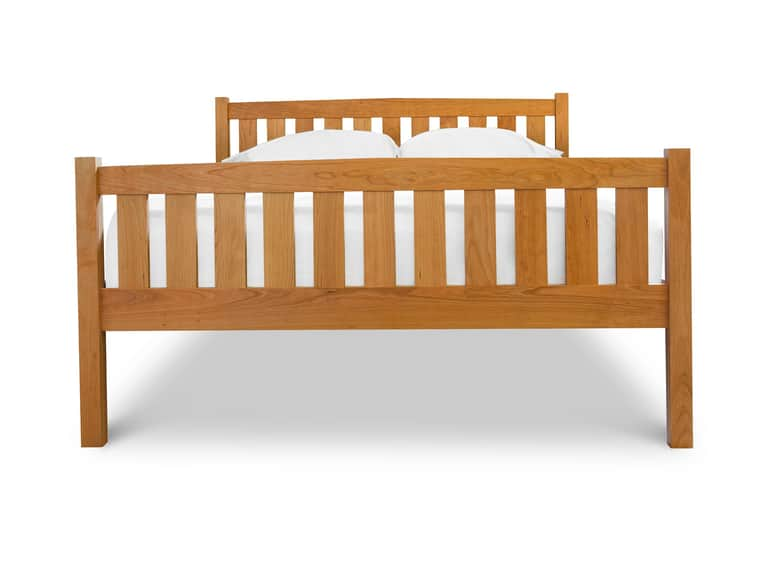
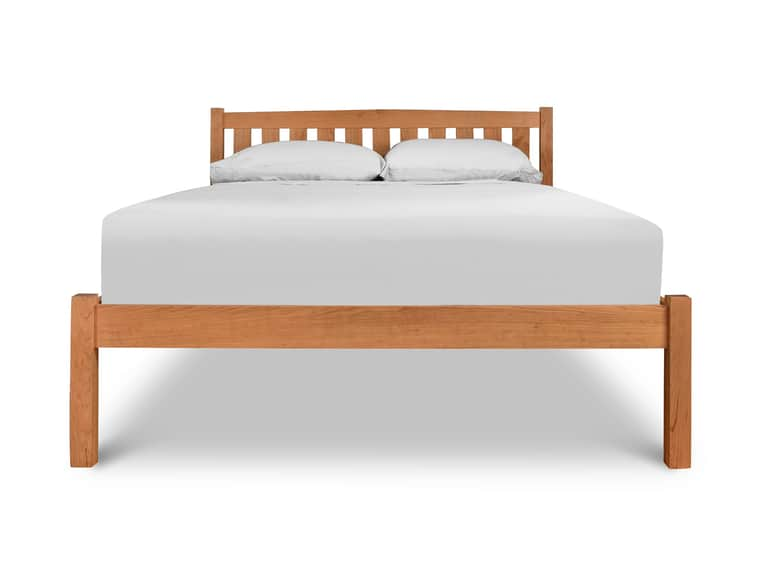
The Bennington Bed with Low Footboard and Bennington Bed with High Footboard share a recognizable design distinction: the height of the footboard. A lower footboard can create a more open visual impression and simplify access, while a higher footboard gives the bed a more enclosed profile. Both options should be paired with a compatible mattress.
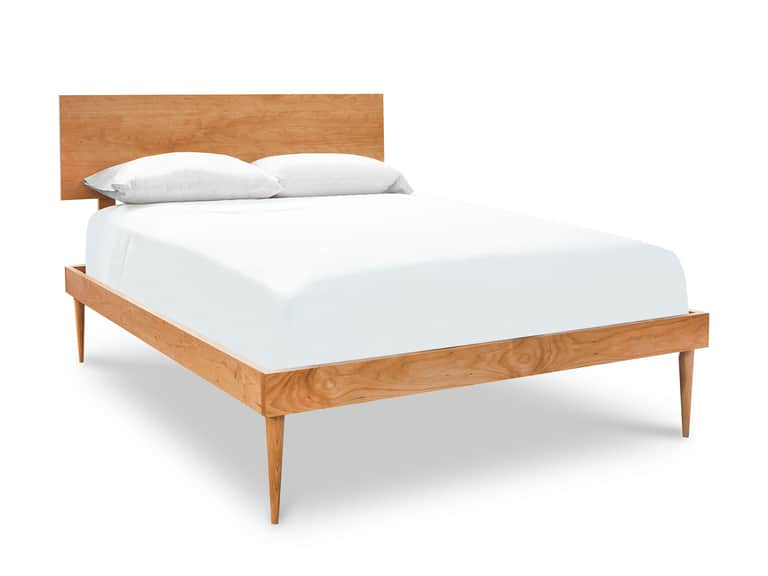
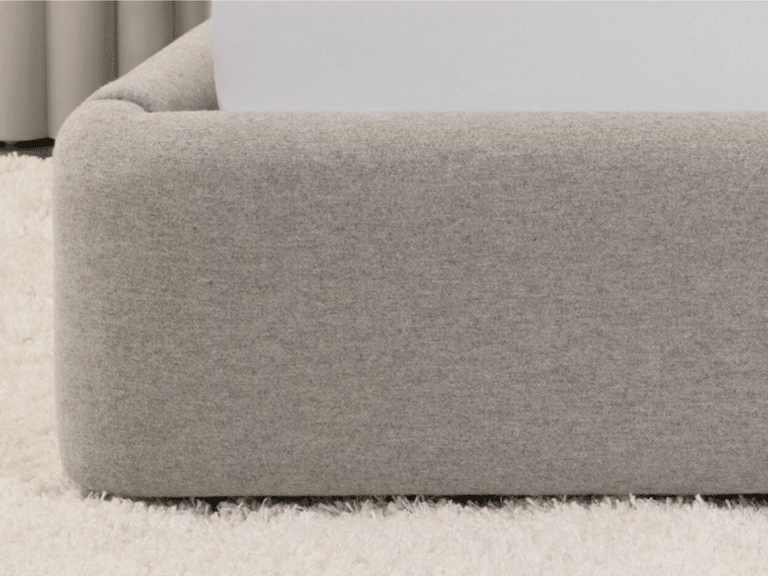
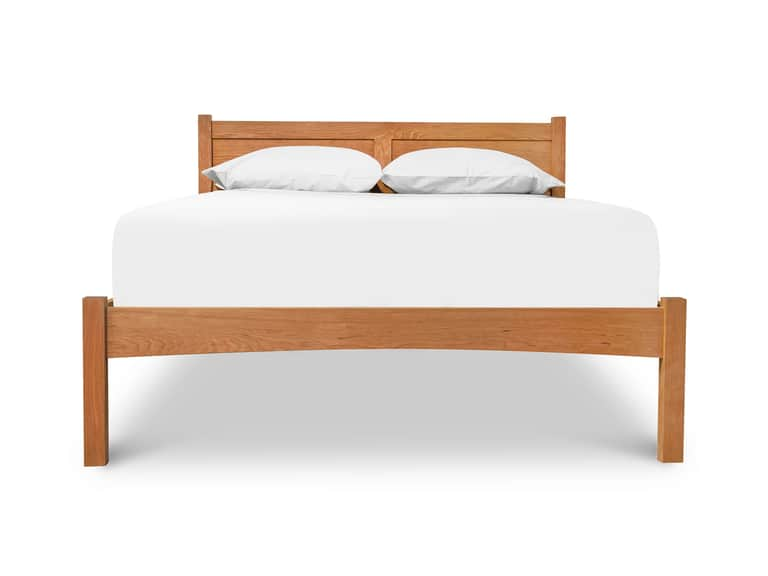
The Essex High Footboard Bed and Essex Low Footboard Bed likewise offer alternative footboard heights to suit different room layouts and preferences. The Larssen Bed, Haven Bed Frame, and Pendant Bed provide further bed-frame choices within this furniture category. Comparing frame dimensions and construction details helps ensure the selected bed fits the room and supports its intended use.
A Loft Bed uses vertical space by positioning the sleeping area above the floor, which can help leave room underneath for other activities or storage, depending on its design. Platform bed frames generally support a mattress on an integrated base and may not require a separate foundation. Always check mattress compatibility and frame specifications before planning a setup.
Mattress choice affects the feel and support of a bed, so dimensions and compatibility matter alongside frame style. Luxury mattresses may feature different comfort layers and support characteristics, while adjustable beds require frames and mattresses designed to flex together. Reviewing product measurements, materials, and care information helps clarify practical differences across bedroom furniture options.
 Furniture