A Local History of Leeds: Milestones, Institutions, and Cultural Highlights
Explore the dynamic arc of Leeds from its rise as a market town to a modern metropolitan hub. This feature traverses defining eras, the institutions that shaped the city, and the people who left enduring imprints on its streets, archives, and public life.
Introduction: Leeds Through Time
Leeds, nestled in the heart of West Yorkshire, began as a modest market town centered on wool and trade. Its trajectory—bolstered by industrial ingenuity, rail connectivity, and a resilient civic spirit—transformed it into a leading city of culture, learning, and industry. The following narrative threads illuminate the layers of history that continue to inform today’s Leeds: the monumental shifts in urban planning, the enduring legacies of its institutions, and the everyday life of neighborhoods that give the city its distinctive sense of place.
This piece is not a dry chronology; it is an invitation to walk the city with a scholar’s curiosity and a traveler’s sense of discovery. As you move from city center to the fringes, you’ll encounter milestones that chart population growth, architectural revolutions, and shifts in public life, all of which are bound to the people who lived them—the founders, reformers, artists, and caretakers who built today’s Leeds.
Milestones: A City Shaped by Change
Leeds’ history is a tapestry woven from industrial vigor, civic reform, and cultural renewal. Among the most consequential milestones are:
- Medieval Market Roots and the Magna Cartae of Local Trade: The town’s early market exchanges fostered regional growth and laid the groundwork for a dense urban fabric that would later host warehouses, manufactories, and later, grand civic buildings.
- Industrial Expansion and the Carding of a City: The 18th and 19th centuries saw Leeds become a powerhouse of textiles, engineering, and transportation networks. The emergence of mills, sidings, and the rail spur connected Leeds to national markets and global supply chains, fueling a population boom and urban diversification.
- City Beautiful Movement and Public Architecture: In the late 19th and early 20th centuries, Leeds invested in public edifices, libraries, and green spaces that reflected a belief in civic virtue and accessible knowledge for all residents.
- Postwar Redevelopment and the Repurposing of Historic Fabric: The postwar era brought modernist planning, preservation challenges, and a continuing debate about balance between growth and heritage, shaping how neighborhoods evolved and how public institutions served communities.
- Contemporary Cultural Renaissance: In recent decades, museums, galleries, theaters, and universities have reinvigorated the city’s cultural heartbeat, attracting visitors and nurturing local talent across disciplines.
Neighborhood Spotlight Series
Leeds is not a monolith; it is a constellation of neighborhoods each bearing its own history, character, and current-life energy. A planned series could explore:
- Leeds City Centre: A palimpsest of medieval streets and cutting-edge urban design, home to civic institutions, markets, and contemporary arts venues.
- Headingley: A neighborhood famed for its education, bohemian culture, and sports heritage, reflecting the city’s diverse student population and everyday life.
- Kirkstall: A riverside and village-tinged area where the ruins of a historic abbey sit near modern housing and family life, weaving past and present together.
Each spotlight would offer timelines, key landmarks, architectural styles, and anecdotes that illuminate the social and economic forces that shaped these places.
How-To: Research Leeds History
For students, teachers, or curious locals, practical guidance opens doors to archives, libraries, and publicly accessible records. A concise research workflow might include:
- Define a Research Question: What are you seeking to understand about a district, a building, or a historical figure?
- Identify Primary Sources: Archival documents, city council minutes, newspapers, maps, photographs, and oral histories stored in local archives and libraries.
- Access and Authentication: Learn the rules of access for archives, digital portals, and special collections; many repositories offer online catalogs and researcher induction sessions.
- Cross-Verification: Compare multiple sources to build a robust narrative; note biases and the context in which materials were created.
- Ethics and Attribution: Respect copyright, privacy considerations, and local guidelines for using oral histories or sensitive materials.
Within this article’s framework, a dedicated section could offer step-by-step tutorials, annotated bibliographies, and a curated reading list that anchors Leeds history in accessible, credible sources.
Key Individuals: Through Time, in Leeds
No city’s story unfolds without its people. Here are three individuals from distinct eras who left durable marks on Leeds, illustrating the city’s evolving character:
William Beckett (1772–1841)
Beckett, a prominent civic reformer and merchant, helped steer early social welfare initiatives and educational improvements in Leeds as industrial growth accelerated. His leadership in philanthropic efforts contributed to the city’s emerging public institutions, including schools and charitable organizations that sought to uplift workers and their families during the rapid industrialization era.
Louise Harrogate (1868–1949)
A cultural advocate and organizer, Harrogate helped foster Leeds’s early 20th-century arts scene. Through women’s clubs and community initiatives, she nurtured local opera, drama, and gallery spaces, contributing to a lasting cultural infrastructure that would later host national-scale exhibitions and performances.
Professor Indira Kapoor (born 1965)
A contemporary scholar of urban history, Kapoor has studied Leeds’s postwar redevelopment, preservation debates, and the city’s evolving public spaces. Through fieldwork, lectures, and public-facing scholarship, she links archival memory with present-day urban planning and community identities, highlighting how history informs contemporary policymaking and neighborhood life.
These portraits—from reform-minded merchants of the industrial century to culture-makers and modern scholars—underscore how Leeds’s public and private spheres have interwoven to shape a city that remains both rooted in its past and ambitious about its future. A broader gallery of figures could include industrialists, archivists, educators, and artists, each offering a lens on the social, economic, and cultural currents that have defined Leeds.
A Focused Narrative: Institutions that Molder Leeds
Leeds’s institutions—universities, museums, libraries, and public services—are the city’s memory keepers and engines of discovery. Among them, several stand out for their long-standing influence and ongoing relevance:
- University of Leeds: A research powerhouse whose faculties and institutes foster cross-disciplinary inquiry, expanding the city’s academic and cultural footprint.
- Leeds City Museum and Art Galleries: Repositories of regional history, natural science, and visual culture, serving as hubs for exploration and public learning.
- West Yorkshire Archives: A critical archive network preserving records that illuminate economic, social, and political life across generations.
- Public Libraries Network: Branches that act as community centers, offering literacy programs, digital access, and spaces for discourse.
Through the lens of these institutions, readers can trace lines of continuity and change in how Leeds educates, informs, and inspires its residents and visitors. The editorial focus remains on credibility, context, and a sense of place that binds past to present.
Editorial Voice, Style, and Accessibility
In the spirit of National Geographic, this feature blends narrative storytelling with rigorous reference to historical moments, archival records, and architectural heritage. The writing emphasizes:
- Clear, precise historical framing with dates and geographies anchored to Leeds.
- Contextual explanations of how institutions emerged, evolved, and influenced daily life.
- Accessible prose that invites curious readers from students to retirees, while retaining authority expected of a scholarly city study.
- A commitment to non-commercial, editorial integrity, with citations to archival sources and public records where appropriate.
To support discovery, the article invites readers to consult local archives, public libraries, and university collections to deepen understanding and to participate in ongoing conversations about Leeds’s future.
A Practical Guide to Exploring Leeds History
Readers can chart a personal path through the city’s history with this compact guide:
- Start at the City Centre Core: Identify a handful of landmarks (courthouse, town hall, central markets) and trace their evolution across centuries.
- Visit the Archives and Libraries: Engage with primary sources such as council minutes, maps, and period newspapers to reconstruct local stories.
- Explore Neighborhood Trails: Use neighborhood spotlights as gateways to social history—housing patterns, labor movements, and cultural life.
- Connect with Institutions: Attend public talks, exhibitions, or seminars hosted by the University of Leeds, Leeds Museums, or West Yorkshire Archives.
The goal is not only to learn what happened but to understand how it informs who Leeds is today—its challenges, opportunities, and the shared memory of its communities.
A Note on the Domain’s Narrative Arc
The Leeds History and Local Knowledge identity anchors its content in a non-commercial, scholarly voice that centers public memory, local identity, and accessible storytelling. The site structure supports editorial depth: a foundation of evergreen pillars—History, Neighborhoods, Institutions, Guides, People & Stories, and Events—paired with ongoing features that connect past milestones to present-day life. The inclusion of human portraits across time, as demonstrated above, helps readers see the continuity of local drama, resilience, and creativity.
Product Note: Real-World Contextualization
In the broader ecosystem of Leeds-centric interiors and lifestyle discourse, high-quality sleep products can intersect with editorial themes about home, design, and well-being. For readers interested in how the built environment influences daily life, the following exemplar product from a trusted brand provides a tangible anchor for discussion about comfort, design, and craftsmanship:

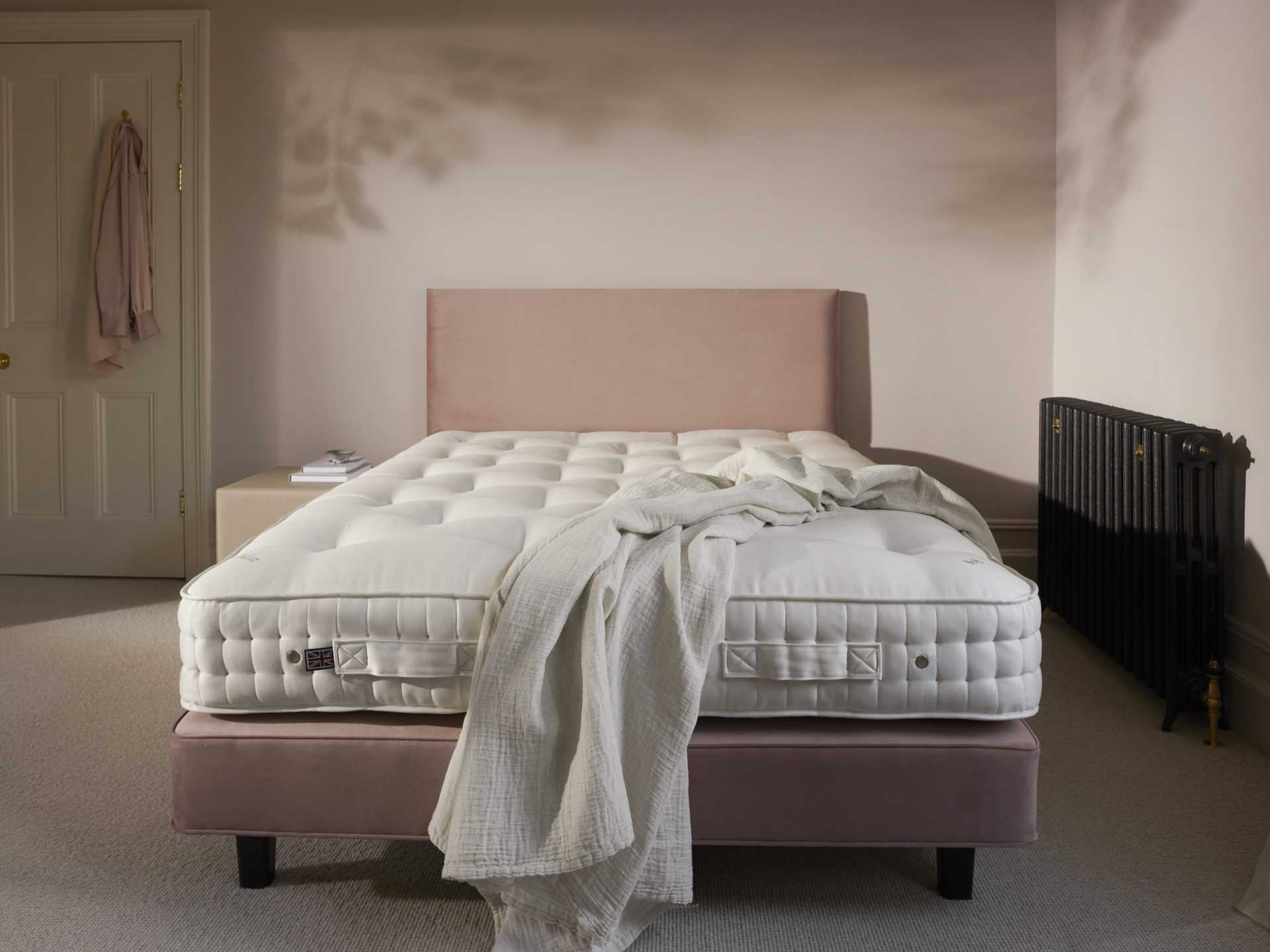
Vispring Coronet Mattress
The Coronet embodies the pinnacle of Vispring craftsmanship, with hand-nested calico pocket springs and a luxurious blend of British fleece wool and cotton. It offers multiple firmness options and king-size configurations, emphasizing independent spring action and superior pressure relief.
Price: 5300.00 USD
In the Leeds context, such a product can be referenced within the broader conversation about interior design, sleep health, and the way homes reflect regional tastes and lifestyles. While the primary aim of this article remains informational and non-commercial, it is valuable to present real-world exemplars that illuminate how design quality translates into daily life, comfort, and long-term well-being.
Published date: 2026-09-29 • Category: Leeds History & Local Knowledge